


Choosing between Adobe Commerce and Magento Open Source is a critical technical decision for growing eCommerce businesses. While both platforms share the same core Magento framework, their capabilities differ significantly in terms of architecture, scalability, and built-in B2B features.
“The right eCommerce platform isn’t just about selling products—it’s about supporting growth, performance, and complex business needs.”
This guide explains the key Magento Open Source differences and helps you understand which platform aligns best with your technical and business requirements.
Overview: Adobe Commerce vs Magento Open Source
Magento Open Source is a free, community-driven platform ideal for small to mid-sized stores. Adobe Commerce (formerly Magento Commerce) is the enterprise-grade version designed for scalability, advanced customization, and complex B2B and B2C operations.
When comparing Adobe Commerce vs Magento, the difference lies not in the foundation—but in the advanced features, tools, and support layered on top.
Architecture Differences
Magento Open Source Architecture
-
Open-source PHP-based architecture
-
Highly customizable through extensions
-
Relies on third-party modules for advanced functionality
-
Self-managed hosting and infrastructure
Magento Open Source provides flexibility but requires strong technical expertise to manage performance, security, and scalability.
Adobe Commerce Architecture
-
Same core Magento framework with enhanced services
-
Supports cloud-native architecture (Adobe Commerce Cloud)
-
Built-in performance tools, CDN, and automated updates
-
Advanced caching and database optimization
From a technical standpoint, Adobe Commerce offers a more robust, enterprise-ready architecture with fewer dependencies on third-party solutions.
Scalability and Performance
Magento Open Source Scalability
-
Suitable for small to mid-scale stores
-
Performance depends on hosting, caching, and optimization
-
Scaling requires manual configuration and external tools
While Magento Open Source can scale, it demands ongoing development effort and infrastructure management.
Adobe Commerce Scalability
-
Designed for high-traffic and high-transaction environments
-
Auto-scaling cloud infrastructure
-
Built-in performance monitoring and optimization tools
-
Better handling of large catalogs and complex pricing
In the Adobe Commerce vs Magento comparison, Adobe Commerce clearly excels in enterprise-level scalability.
B2B Features Comparison
Magento Open Source B2B Capabilities
-
No native B2B features
-
Requires third-party extensions for:
-
Company accounts
-
Custom pricing
-
Quote management
-
Purchase approval workflows
-
This increases development cost and long-term maintenance.
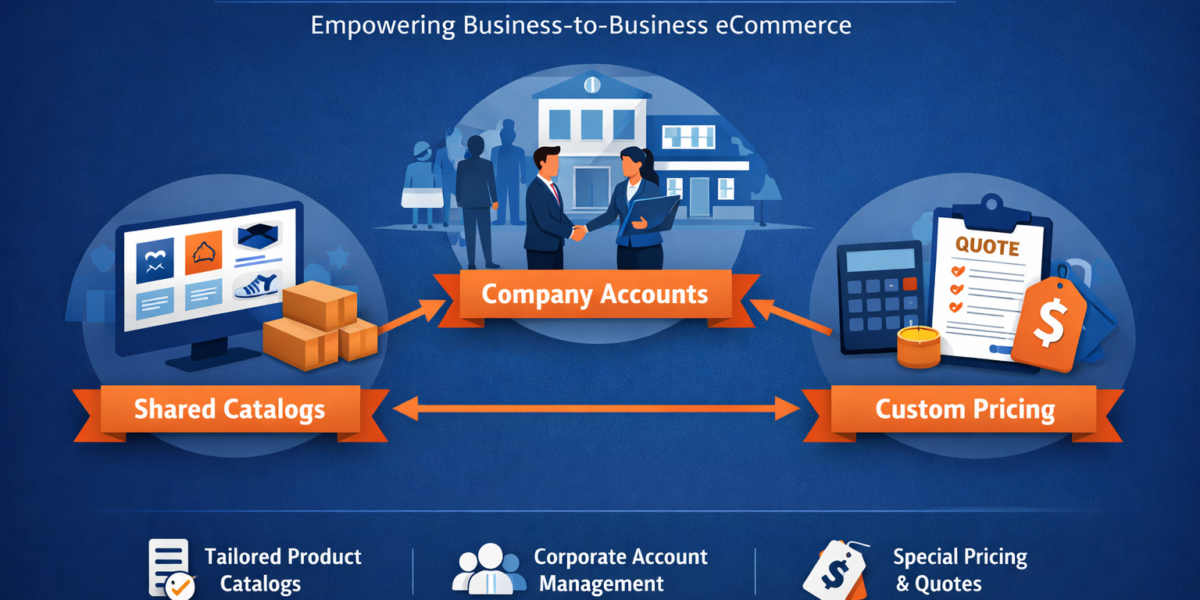
Adobe Commerce B2B Features
Adobe Commerce includes a full native B2B suite, such as:
-
Company and sub-user accounts
-
Custom catalogs and pricing per customer
-
Quote negotiation and approval workflows
-
Shared catalogs and requisition lists
-
Credit limits and payment on account
These built-in tools are a major technical differentiator when evaluating Magento Open Source differences.
Security and Compliance
-
Magento Open Source: Security patches must be applied manually
-
Adobe Commerce: Enhanced security features, automated updates, and compliance support
For regulated industries, Adobe Commerce offers a more secure and manageable environment.
Support and Maintenance
-
Magento Open Source relies on community support
-
Adobe Commerce includes official Adobe support and SLAs
This impacts uptime, troubleshooting speed, and long-term stability.
Which Platform Should You Choose?
Choose Magento Open Source if:
-
You’re a small or mid-sized business
-
You have a technical team for customization
-
Budget is a primary concern
Choose Adobe Commerce if:
-
You need enterprise scalability
-
You operate B2B or hybrid B2B/B2C models
-
Performance, security, and built-in features are critical
Conclusion
The decision between Adobe Commerce vs Magento Open Source comes down to scale, complexity, and long-term goals. While Magento Open Source offers flexibility and cost savings, Adobe Commerce delivers a powerful, scalable, and B2B-ready platform built for enterprise growth.
“As your business grows, your eCommerce platform should grow with you—not hold you back.”
Understanding these Magento Open Source differences ensures you invest in a solution that supports both current needs and future expansion.