


As ecommerce experiences evolve, Adobe Commerce (Magento) merchants face a critical architectural decision:continue with the traditional Magento frontend or move to a headless approach. Both models are suppo...
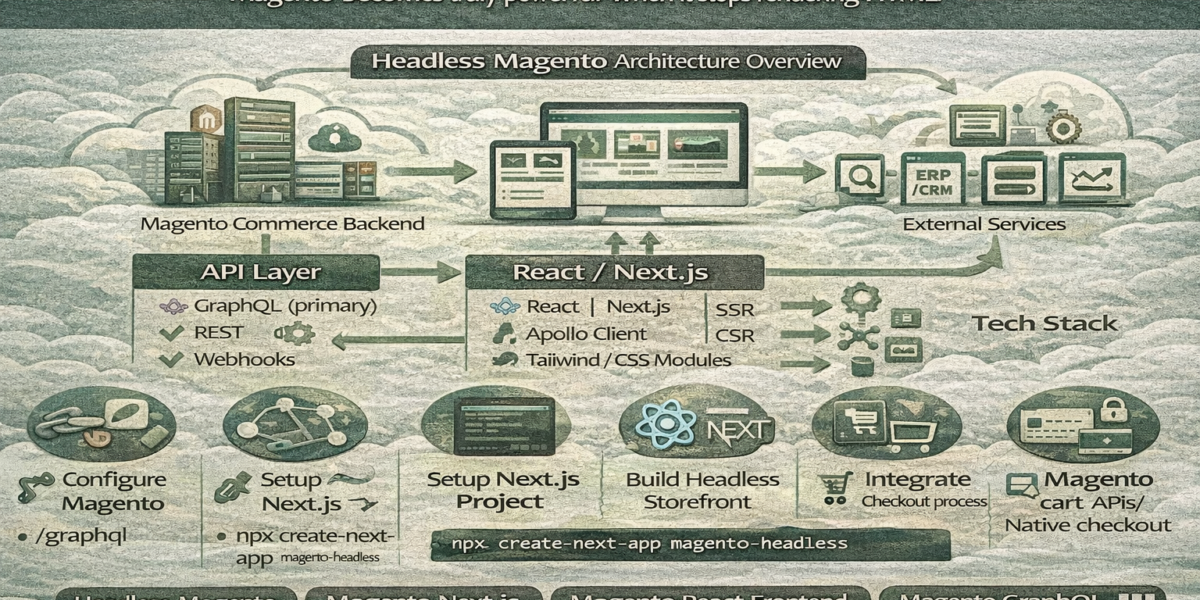
As ecommerce experiences demand higher performance, richer UX, and omnichannel delivery, traditional Magento storefronts begin to show limitations. This has driven the rise of headless Magento, where the fronte...

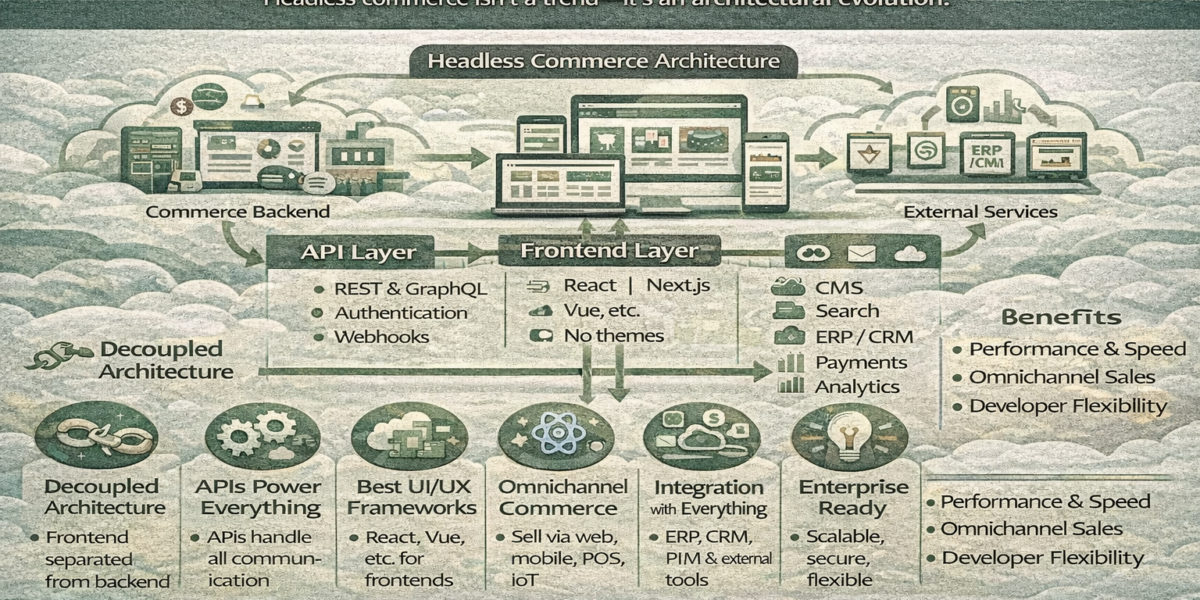
Traditional ecommerce platforms tightly couple the frontend and backend. While this approach works for basic stores, it becomes a limitation when brands need faster experiences, omnichannel delivery, and flexib...
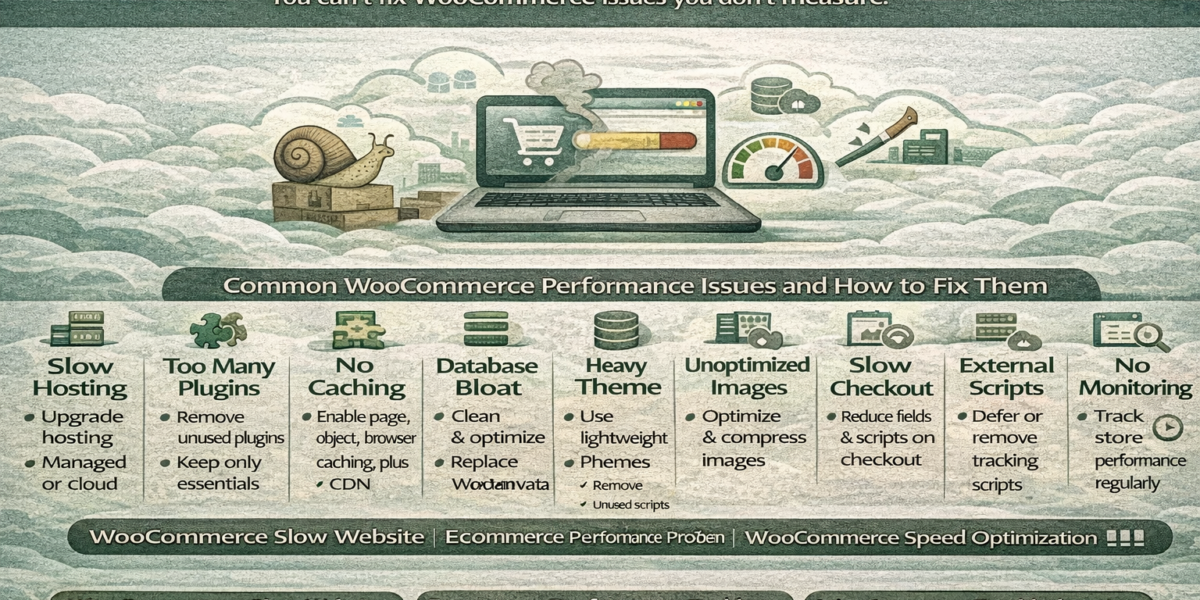
A slow WooCommerce website doesn’t just frustrate users — it directly reduces conversions, increases cart abandonment, and hurts search engine rankings. If your store feels sluggish, checkout takes too long,...
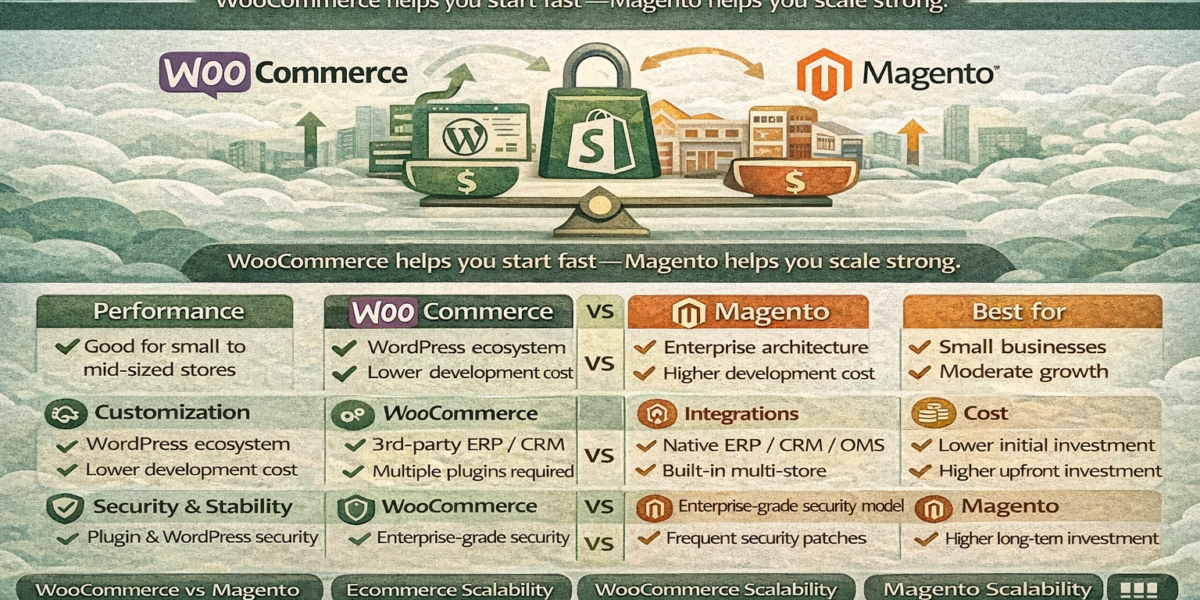
Choosing the right ecommerce platform is one of the most critical decisions for long-term business growth. While both WooCommerce and Magento are powerful solutions, their approach to scalability is fundamental...
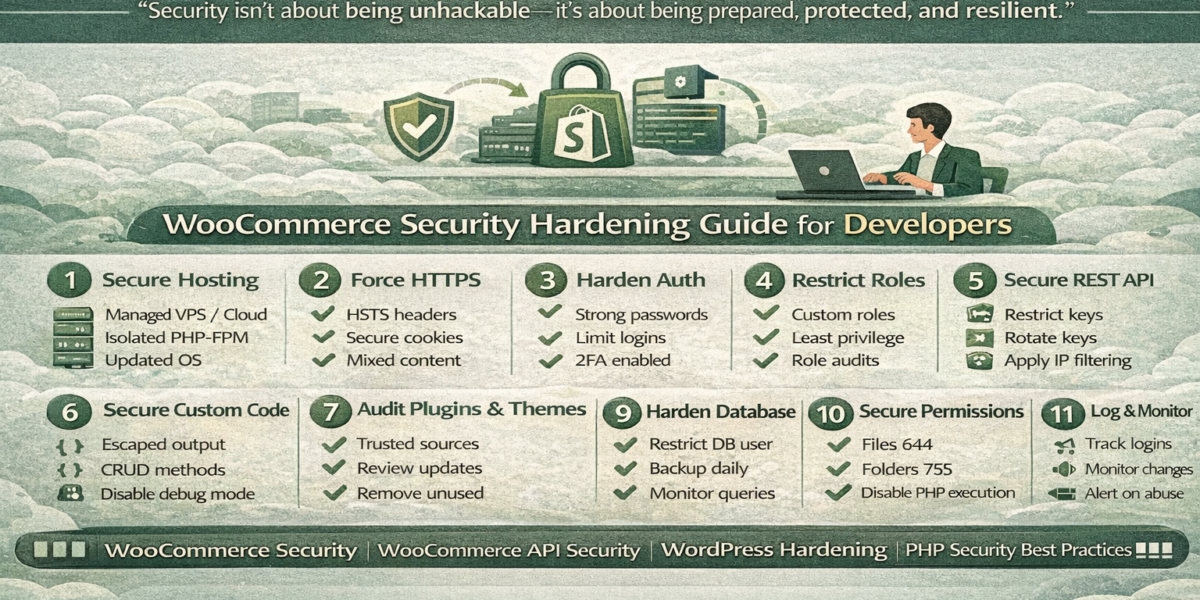
WooCommerce is powerful, flexible, and deeply customizable — but that same flexibility can expose security risks if not hardened correctly. While WordPress and WooCommerce provide a secure foundation, developer...

As WooCommerce stores grow, traffic spikes, product catalogs expand, and performance challenges become unavoidable. Slow page loads, checkout delays, and server overload directly impact conversions, SEO ranking...

WooCommerce is not just a plugin — it’s a highly extensible ecommerce framework built on WordPress architecture. Its flexibility comes from a powerful system of actions, filters, and modular components that all...

As ecommerce continues to grow, cyber threats are increasing at the same pace. While Shopify provides a highly secure infrastructure, store-level security still depends heavily on how merchants manage access, p...

As Shopify stores scale, businesses often need deeper integrations with ERPs, CRMs, inventory systems, fulfillment platforms, and custom dashboards. This is where Shopify APIs and Shopify webhooks become essent...